International Women’s Day 2026: The Erosion of Progress?
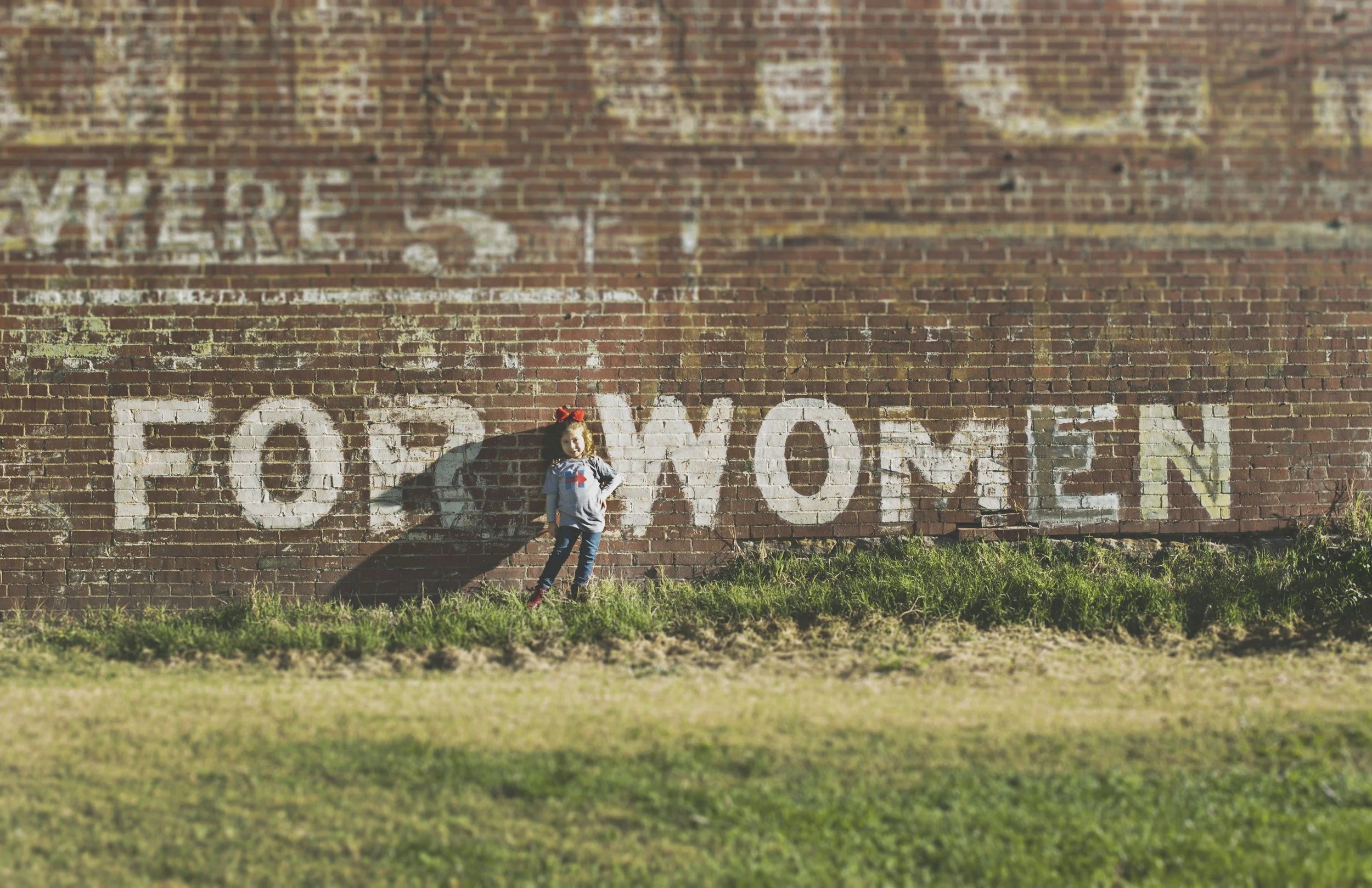
International Women’s Day (IWD) has been marked for more than a century. In 2026, in a country like the UK with comprehensive equality legislation across both its jurisdictions (for convenience I’m going to call it “UK Law” and not England & Wales and Scotland – apologies lawyers) and women prominent in public life, some argue its time has passed. Yet when we look beyond the law to rapidly changing culture, data, and global trends, it becomes clear that IWD is perhaps more important than ever because the terrain of gender politics has become more contested, not less.
The UK sits at a crossroads:
· Strong formal protections under the Equality Act 2010, domestic abuse and sexual offences legislation, and gender pay gap reporting to name but a few positive pieces of legislation.
· Persistent problems of everyday sexism, violence against women and girls (VAWG), and a stubborn gender pay gap.
· A rising online ecosystem of anti-feminist and misogynistic influencers such as Jordan Peterson and Andrew Tate, incel and “men going their own way” (MGTOW) or Incel communities shaping the attitudes of some men and boys.
· A wider global context in which Amnesty International and others warn of a “backlash” against women’s rights, alongside the influence of the Trump era in the United States.
Comparing the UK with countries as different as Sweden, Saudi Arabia and Russia highlights that progress is neither linear nor secure; it can stall, fragment, or be rolled back. In 2026, IWD is as much about defending existing gains as achieving new ones.
Everyday sexism in the UK: law vs lived experience
Survey work around International Women’s Day 2026, including multi-country polling by King’s College London (KCL), suggests that while many people in the UK and elsewhere endorse gender equality in principle, progress in attitudes has plateaued. Support for women’s leadership remains high, but polarisation by age and political identity is marked: younger, more progressive respondents tend to favour stronger equality measures; older and more conservative respondents are more likely to say equality has “gone far enough” or “too far.” Alongside this, women in the UK continue to describe:
o Harassment in public spaces and on public transport.
o Everyday belittling or sexualised comments at work.
o Online trolling that can at times be shocking/sickening.
o Stereotyping in education and media that narrows perceived options and ambitions.
These experiences are often dismissed as trivial, but cumulatively they shape women’s sense of safety, opportunity and belonging. The Equality Act 2010 outlaws harassment based on sex, yet cultural norms about how women “should” behave, dress, speak remain deeply embedded.
The influence of online anti-feminist voices
Into this landscape steps a new constellation of online figures and communities who explicitly challenge feminist narratives and, in some cases, promote openly misogynistic ideas.
Jordan Peterson
Jordan Peterson is a Canadian psychologist who rose to prominence in the late 2010s and 2020s. While some of his work focuses on self-help and personal responsibility, his commentary on gender has been highly controversial. He is a malign influence who gives some perception of an intellectual air cover and thus respectability to some outdated and problematic ideas:
· He has criticised contemporary feminism as allegedly undermining traditional structures and roles.
· He has questioned whether gender imbalances in leadership roles reflect discrimination or differences in interests and temperament between men and women.
· He has opposed certain equality initiatives, describing them as authoritarian or driven by ideology rather than evidence.
In the UK, Peterson has a substantial following, especially among young men. His public lectures, interviews, and best-selling books are widely discussed on UK social media and in universities. Critics, including many gender scholars and journalists, argue that his framing can downplay structural sexism and provide an intellectual veneer for resistance to equality policies; encouraging a belief that if women are underrepresented, it is primarily because of their choices, not systemic barriers.
Andrew Tate
Andrew Tate, a former kickboxer and online personality, has become another key figure in discussions about masculinity and misogyny. He has been widely criticised for:
· Explicitly describing women in demeaning, objectifying terms.
· Promoting hyper-aggressive, status-obsessed versions of masculinity that equate male worth with domination, wealth, and control over women. Tate is perhaps precisely what a 14 year old boy thinks success looks like.
· Making statements that appear to trivialise or normalise violence against women.
In the UK, Tate’s influence has been evident in classrooms and youth culture, with teachers and parents reporting that boys sometimes repeat his talking points or use his content to justify sexist behaviour. Schools, charities and police forces have developed resources to counter his narratives, framing them as part of wider efforts to combat online radicalisation and harmful attitudes towards women and girls.
Beyond high-profile personalities, there are online subcultures such as Incels and “Men Going Their Own Way” (MGTOW)
Incels (involuntary celibates)
Often male-dominated communities defined by resentment over lack of sexual or romantic relationships. Some incel spaces have propagated extreme misogynistic ideology, viewing women as shallow, manipulative, or inherently hostile to “average” men. A small subset has celebrated or encouraged violence; several high-profile attacks globally have been linked to self-identified incels. Incels are not formally proscribed in the UK as a terrorist organisation but the ideology is recognised as a form of extremism and a growing threat; individuals involved in this ideology can be subject to anti-terrorism measures. The shooting of six people in Plymouth in 2021 by Jake Davison, an active member of incel culture is one of many reasons behind this.
MGTOW (Men Going Their Own Way)
Communities encouraging men to withdraw from relationships and legal commitments with women, often portraying women as exploitative and institutions (courts, family law, workplaces) as biased against men.
In the UK, security and counter-extremism bodies have increasingly monitored violent misogyny as a potential extremist concern. Reports on online harms have noted overlaps between incel forums, far-right online spaces, and broader anti-feminist content. While not all participants in these communities are violent, the rhetoric can normalise contempt for women, reinforce everyday sexism, and undermine efforts to promote respectful, equal relationships.
International Women’s Day in 2026 thus takes place in a digital environment where misogynistic ideas can reach millions instantly and where some young men feel drawn to narratives that cast them as victims of feminism.
Police, violence against women, and institutional trust
Public confidence in policing in the UK has been shaken by repeated scandals involving serving officers accused or convicted of serious sexual offences, domestic abuse, and even murder (the Sarah Everard Case and treatment of women at a subsequent vigil are a probably the highest profile examples of recent years). Investigations and reviews by the Metropolitan Police and Independent Office for Police Conduct (IOPC) have highlighted:
· Misogynistic, racist, and homophobic messages in officers’ private chats.
· A culture where sexist “banter” is normalised.
· Poor handling of VAWG cases, including failures to take reports seriously or to pursue evidence robustly.
Women, particularly younger women and those from marginalised communities, often report reluctance to report harassment, stalking, or sexual assault to the police, fearing they will not be believed or will be treated dismissively.
The legal response
The UK’s legal architecture is relatively robust:
· Domestic Abuse Act 2021 in England and Wales delivered a statutory definition of domestic abuse, including coercive control, and aimed to improve protection for survivors.
· The Sexual Offences Act 2003 sets out offences including rape, sexual assault, and exploitation.
· Stalking protection orders, alongside earlier coercive or controlling behaviour offences, attempt to address patterns of behaviour rather than isolated incidents.
· The UK’s ratification of the Istanbul Convention commits it to comprehensive action on VAWG.
Despite this, Amnesty International and numerous UK women’s organisations emphasise the enforcement gap: under-reporting, low prosecution and conviction rates for sexual offences, uneven support services, and continuing institutional sexism.
International Women’s Day 2026 therefore focuses as much on institutional reform, especially in policing, justice systems, and education, as on formal legal rights. Put simply, this suite of legislation is not being properly enforced.
The gender pay gap and economic inequality
Mandatory gender pay gap reporting for large employers, introduced under the Equality Act 2010 regulations, has made the issue more visible. Recent Office for National Statistics (ONS) data leading into 2026 show:
· A gradually narrowing median gender pay gap, but one that remains significant.
· Larger disparities in sectors such as finance, law, technology and engineering, where senior, high-paid posts remain male-dominated.
· The persistence of the motherhood penalty: women’s earnings diverge from men’s notably after childbirth, reflecting part-time work, career breaks, and workplace cultures that reward long, inflexible hours.
The ONS typically shows that the pay gap is smallest in younger age groups and widens among older workers; evidence that early career equality does not automatically translate into equality over a working lifetime.
Structural drivers:
· Unequal distribution of unpaid care and domestic work.
· Patchy, expensive childcare, which disproportionately constrains full-time work for many mothers.
· Occupational segregation, with women overrepresented in lower-paid caring and service roles.
· Biases in promotion, leadership selection and performance assessment.
While UK law prohibits pay discrimination, it does not in itself ensure that women are in the roles that pay most or that workplaces are structured to accommodate equal participation.
Global backlash and the Trump Administration
Human rights groups have highlighted a global backlash against women’s rights and gender equality. This includes attacks on women’s rights defenders, restrictions on civil society, and rollbacks on reproductive and sexual health rights.
The Trump administration in the United States left a lasting mark on gender politics:
· Judicial appointments, especially to the Supreme Court, set the stage for major reversals on reproductive rights, culminating in the removal of federal protection for abortion in many states through overturning the famous 1973 Roe v Wade case in 2022.
· Expansion of the “global gag rule” cut funding to international organisations providing or even discussing abortion, affecting reproductive health services worldwide.
· Federal enforcement of equal pay and anti-discrimination protections was weakened in several areas, with regulatory agencies scaled back or redirected.
· Official rhetoric often dismissed feminist concerns as political enemies or “radical” agendas.
· The Trump Administration’s 2025 abolition of the independence of the United States Agency for International Development (USAID).
Amnesty and other global observers point to these changes as emblematic of a broader trend: rights once considered settled can be eroded relatively quickly.
Effects on the UK and beyond
The US remains a key norm-setter. Shifts in Washington resonate globally in several ways:
1. Discursive influence: Arguments crafted in US culture wars, about “gender ideology,” “woke feminism,” or “political correctness,” are imported into UK debates by politicians, commentators and online influencers.
2. Policy models: Anti-abortion and anti-feminist strategies tried in US state legislatures inform campaigns elsewhere, including Europe.
3. Funding and diplomacy: Cuts or ideological conditionality in US foreign aid shape how international organisations operate; UK-based NGOs and development actors must adjust, sometimes stepping in to mitigate damaging gaps.
IWD 2026 in the UK thus unfolds against a backdrop where progress in one country can be undercut by regression in another—and where harmful ideas cross borders with ease.
Where does the UK sit internationally?
International Women’s Day is inherently comparative; it invites us to ask where the UK stands relative to others. Sweden, Saudi Arabia and Russia offer three very different models.
Sweden: is frequently cited as a global leader in gender equality:
· Policy framework: Strong equality legislation, extensive parental leave (with reserved quotas for fathers), and heavily subsidised childcare make it easier to combine work and family life.
· Gender pay gap: Sweden’s pay gap is generally smaller than that of the UK, reflecting policy choices and cultural norms around shared care and women’s employment.
· Representation: High female representation in politics and senior public roles, and long-standing feminist influence in policymaking.
Yet Sweden is not free of problems:
· Women still face harassment, sexual violence, and workplace discrimination.
· Online misogyny and far-right movements there, as elsewhere in Europe, have used anti-feminist rhetoric as part of broader “traditional values” agendas.
· Debates over migration, crime and integration have sometimes been weaponised using narratives about gender and “protecting women,” in ways that can stigmatise minority communities.
Compared with the UK, Sweden demonstrates what stronger social infrastructure (parental leave, childcare, active labour market policies) can achieve in narrowing economic gaps, but also that even in highly egalitarian societies, cultural and political contestation persists.
Saudi Arabia offers a stark contrast:
· In recent years, authorities have introduced high-profile reforms: allowing women to drive, easing some aspects of the male guardianship system, and encouraging greater female labour force participation
· Official narratives present these changes as modernisation and empowerment, including Saudi women’s increased presence in the workforce and public life.
However:
· Guardianship norms and restrictive laws remain in place in various forms, limiting women’s full autonomy.
· Women’s rights defenders and activists have faced arrest, imprisonment, and travel bans.
· Public and private life is still shaped by highly conservative gender norms, and political dissent, including feminist critique, is tightly controlled.
From a UK perspective, Saudi Arabia illustrates how reforms can expand women’s opportunities while significant control and repression persist. It is a reminder that legal changes, when driven from the top without robust civil society participation, may remain fragile or partial.
Russia represents another pattern:
· While Russia has formal legal equality provisions, recent years have seen a marked conservative turn in official rhetoric, emphasising “traditional family values” and often portraying feminism and LGBTQIA+ rights as foreign threats.
· Some forms of domestic violence have been partially decriminalised or downgraded, prompting serious concern among human rights organisations.
· Civil society space has narrowed, with “foreign agent” laws and other measures curtailing NGOs, including those working on women’s rights and VAWG.
In this context:
· Violence against women remains widespread, and under-reporting is significant.
· Feminist and human rights activists operate under pressure, with risk of harassment, fines or closure.
Relative to the UK, Russia shows how quickly institutional and cultural support for gender equality can be undermined when authoritarianism hardens and “gender ideology” is cast as an enemy of the state. It is a vivid example of the backlash Amnesty warns about.
UK in context: Viewed against these three:
· The UK is ahead of Russia and Saudi Arabia in terms of legal protections, civic space, and institutional recognition of gender equality.
· It lags behind Sweden on childcare, parental leave, pay equality, and the integration of feminist perspectives into mainstream policy.
· Its challenges; online misogyny, polarised culture wars, implementation gaps in policing and justice are shared with many Western democracies rather than being unique.
International Women’s Day in the UK therefore serves not to claim moral superiority, but to:
1. Provide an opportunity to learn from countries like Sweden on practical equality tools.
2. Stand in solidarity with women and feminist movements in more repressive contexts like Saudi Arabia and Russia.
3. Guard against complacency, recognising that rights can be chipped away even in long-standing democracies. This is perhaps more relevant than ever.
Men, masculinity and the politics of resentment
One of the most striking shifts in recent years has been the growth of narratives that frame men and boys as victims of feminism. As the father if two boys, I am very concerned about this issue. Figures like Jordan Peterson and Andrew Tate, Incel and MGTOW communities, and some corners of UK media and politics tap into:
· Economic insecurity (precarious work, housing costs, regional inequalities).
· Educational concerns (boys’ underperformance in some metrics, lack of male role models in certain sectors).
· Social change (shifts in gender expectations, #MeToo, workplace equality policies).
Rather than addressing these concerns through inclusive strategies that benefit everyone, some voices offer a simpler story: that feminism has “gone too far,” that women have gained at men’s expense, and that reclaiming “traditional” hierarchies is the solution. This matters for IWD because:
· It shapes the reception of women’s rights campaigns; where some see necessary progress, others see illegitimate privilege.
· It affects policy debates: from sexual consent education in schools to VAWG strategies and workplace diversity initiatives.
· It has implications for social cohesion: when young men are drawn toward online communities that valorise contempt or control over women, the prospects for healthy relationships and respectful workplaces are undermined.
Constructive engagement with men and boys on mental health, education, employment, and positive, non-dominating models of masculinity is therefore essential to the future of gender equality in the UK. International Women’s Day can and should be a space where these conversations happen, without ceding ground to misogynistic narratives.
Bringing these threads together, IWD in the UK in 2026 is vital because:
· Rights are fragile: Global developments, from US reproductive rights rollbacks to Russian domestic violence policies, show that protections can be weakened quickly. The UK is not immune to similar pressures.
· Culture is contested: Everyday sexism persists, and digital platforms amplify voices hostile to women’s equality. Jordan Peterson’s critiques, Andrew Tate’s hyper-masculine message, and Incel/MGTOW subcultures all feed into a climate where feminist gains are questioned or derided.
· Institutions are under strain: Policing scandals, justice system failures, and under-resourced support services mean women cannot always rely on the state to deliver on the promises of equality law.
· Economic gaps endure: The gender pay gap, unequal distribution of care work, and concentration of women in low-paid, insecure jobs remain structural obstacles.
· International solidarity is needed: Women in Sweden push at the frontiers of policy innovation; women in Saudi Arabia and Russia challenge repression at significant personal risk. The UK’s stance; diplomatically, financially, symbolically matters.
International Women’s Day began as a day of protest, mobilisation and internationalism. In 2026, for the UK, reclaiming that tradition means:
· Using data—pay gap figures, ONS statistics, academic studies—to hold employers and institutions accountable.
· Calling for concrete reforms to policing and criminal justice to address entrenched misogyny and improve outcomes for survivors.
· Investing in childcare, parental leave, and fair work policies that move us closer to the best-performing countries on equality.
· Actively countering online misogyny and harmful gender narratives, while engaging men and boys as allies, not enemies.
· Supporting and learning from women’s rights defenders worldwide, responding to the backlash with renewed commitment rather than retreat.
International Women’s Day 2026 is a crucial point of reflection and action in a UK and a world where the struggle for women’s rights is still very much alive, and where the direction of travel is anything but guaranteed.
Finally, for any smart-arse men reading this, it’s on 19th November.